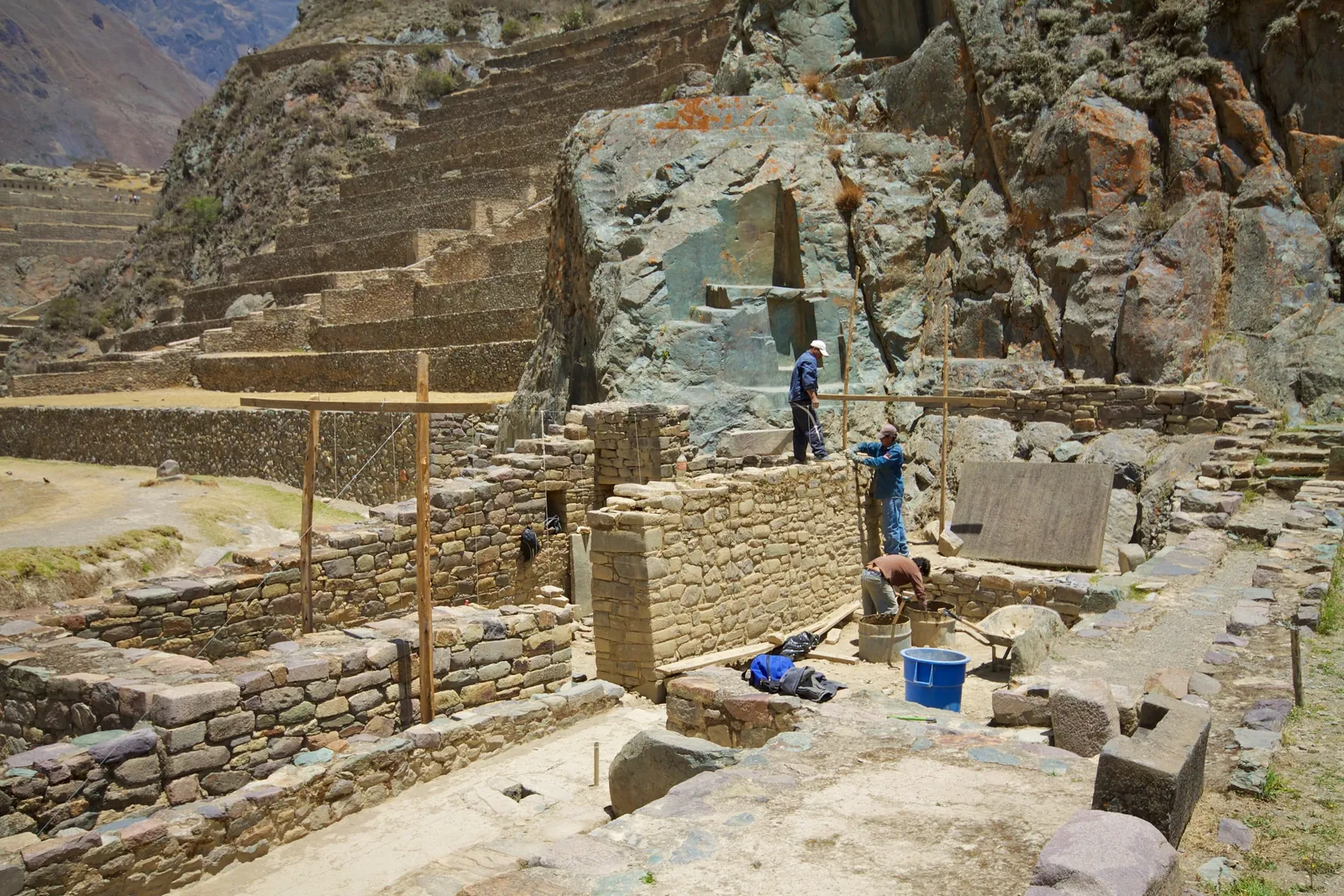
The People Who Carry the Journey
Behind every grand journey is a workforce of guides, drivers, porters and cooks whose conditions rarely reach a brochure. Here is why their fair treatment is the truest test of a responsible trip.
A long journey is held up by people. The guide who reads a culture for you, the driver who knows the mountain road, the porter who carries the camp, the cook who feeds twenty travellers from a field kitchen, the family who hosts a night in a remote valley — these are the people on whom the entire experience rests. Their skill is the difference between a trip and an ordinary itinerary, and their working conditions are, we would argue, the truest measure of how responsible a journey really is.
It is the part of travel most easily hidden. A traveller sees the finished service, not the wage behind it, not the load a porter actually carries, not whether the guide is insured or the camp staff are fed. Responsible travel asks you to look there anyway — because a journey that depends on people treated badly is not a good journey, however beautiful its photographs. This article is about that hidden workforce, and how to be a fair traveller within it.
The labour you do not see
Tourism is a vast employer, and much of its work is informal, seasonal and poorly protected. The people who make a journey possible are frequently engaged trip by trip, without secure contracts, paid holiday or sick leave, exposed to the swings of high and low season and to any disruption that empties a destination of visitors. The pleasant front-of-house experience a traveller enjoys can sit on top of conditions that are precarious in ways no brochure will mention.
The trekking industries make the issue concrete. On porter-supported routes around the world, there is a long and documented history of porters carrying excessive loads, sleeping and eating poorly, lacking proper clothing for the altitude and cold, and being uninsured against the very real risk of injury or altitude illness — all while the trek they enable is sold as a premium experience. The gap between the comfort of the client and the conditions of the porter is, too often, the quiet scandal at the centre of adventure travel.
What fair treatment actually requires
Fair treatment is not vague goodwill; it has specific components. Decent and reliable pay, paid in full and on time. Sensible working hours and load limits, with porter loads in particular capped to humane weights. Proper equipment and shelter — adequate clothing, footwear and sleeping gear for the conditions, and somewhere dry and warm to sleep. Adequate food, the same standard of nourishment the staff need for hard physical work at altitude.
It also requires insurance and a duty of care: cover for injury and illness, and the same access to evacuation and medical help that a paying traveller would receive. It requires that staff are not the silent absorbers of the trip's risks — that a porter who falls ill is treated, not abandoned to descend alone. And it requires respect: that guides and crew are regarded as skilled professionals and colleagues, not as scenery or servants. These are not luxuries layered onto a trip. They are the baseline below which a journey should not be sold at all.
How a traveller can read the signs
Much of this is set by the operator, but a traveller can ask and observe. Before booking, it is entirely reasonable to ask how guides and crew are employed and paid, whether porters are insured and their loads limited, and whether the operator follows recognised standards for crew welfare. An operator doing this well will answer with specifics and without defensiveness; vague reassurance is itself an answer.
On the journey, watch. Do the crew have proper clothing and footwear for the conditions? Do they have shelter and a hot meal at camp? Are loads obviously excessive? Is anyone working while unwell? Are guides treated as colleagues by the company? A traveller cannot audit a payroll from the trail, but the visible signs of how a workforce is treated are usually honest, and they tell you a great deal about the business you have chosen.
Tipping, and the limits of tipping
Tipping is a real part of income for many tourism workers, and on most journeys it is appropriate and welcome — generous, in cash, and where possible given directly to the people who served you. It is worth doing thoughtfully: understanding the local norms, remembering the crew who work out of sight such as cooks and porters, and not letting the most visible guide absorb everything while others are forgotten.
But it is important to be clear about what tipping is and is not. A tip is a thank-you on top of fair pay. It is not a substitute for fair pay, and an operator that relies on client tips to bring poverty wages up to a living one has shifted its own responsibility onto its travellers. The right structure is decent wages first, with tips as genuine extra. When you tip, tip well — but choose operators who would be treating their people properly even if you did not.
How we work with our crews
On our journeys the people who carry the trip are not an invisible layer; they are central to how it is designed. We work with locally based guides and crews, employed and paid fairly, because the local knowledge they bring is the heart of a grand journey and because it is right. On the trekking sections of Andes to Antarctica and The Long Way East we hold to humane porter load limits, proper equipment and shelter, adequate food, and insurance and medical cover for every member of the crew, not only the clients.
We treat guides and crew as colleagues and professionals, and we expect our travellers to do the same. We will not pretend the wider tourism labour market is fair, because in many places it is not. What we can control, we do: the conditions of the people on our own journeys, and a refusal to sell an experience that depends on someone else being treated badly. The honest test of a responsible journey is not the view from the camp. It is how the people who built that camp are paid, fed, equipped and respected — and that is a test we ask travellers to apply to us as much as to anyone.
Quick answers
What questions should I ask an operator about crew welfare?
Ask how guides, drivers and crew are employed and paid, whether they are paid in full and on time, and whether the company follows recognised welfare standards. On supported treks, ask specifically whether porter loads are capped to humane weights, whether porters have proper clothing, shelter and food, and whether they are insured and covered for medical evacuation. A responsible operator answers with specifics; vague reassurance tells you something too.
Does tipping make up for low wages in tourism?
No, and it should not be expected to. A tip is a genuine thank-you on top of fair pay, and on most journeys it is appropriate, welcome and worth doing generously — in cash, directly, and remembering the crew who work out of sight. But an operator that relies on client tips to lift poverty wages to a living one has pushed its own responsibility onto travellers. Look for fair wages first, with tipping as real extra rather than a substitute.
How can I tell on the trail whether a crew is treated well?
You cannot audit a payroll, but the visible signs are usually honest. Look at whether the crew have proper clothing and footwear for the conditions, whether they have dry shelter and a hot meal at camp, whether loads appear excessive, and whether anyone is working while unwell. Notice whether guides are treated as respected colleagues. How a workforce looks and is treated in the field tells you a great deal about the business you have chosen.

Let the reading become a route.
When an article sparks something, our planners are the next step. Tell us what you are dreaming of.