Travelling the Ethiopian Highlands: A Practical Companion
The Ethiopian highlands sit high, cool and culturally distinct — a roof of Africa with its own calendar, cuisine and rhythm. Here is a practical companion to climate, altitude, food, etiquette and the seasons of highland travel.
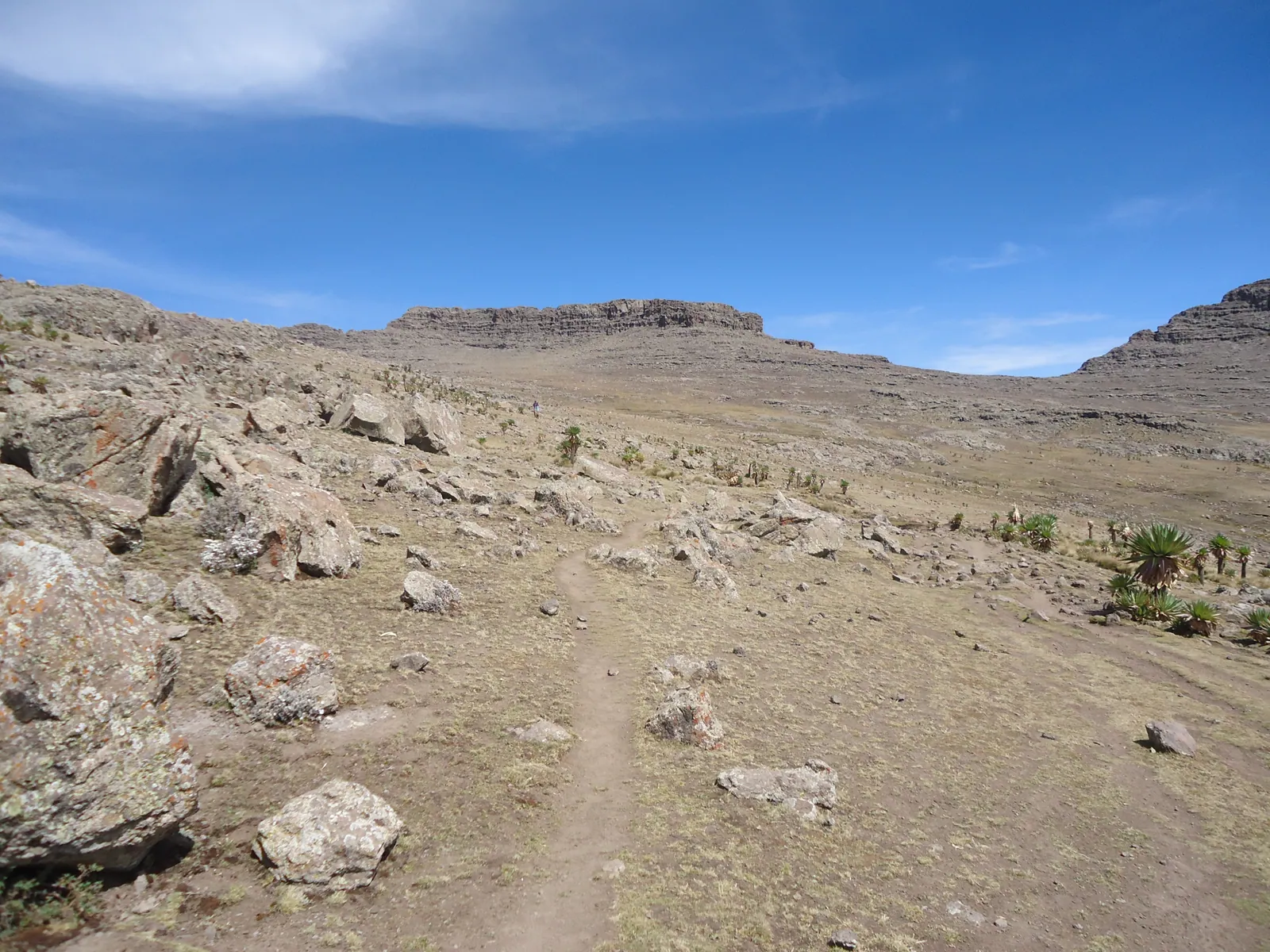
The Ethiopian highlands form the largest continuous area of high ground in Africa — a vast plateau, much of it well above 2,000 metres, cut through by the Great Rift Valley. This altitude shapes everything: the climate is cooler than newcomers expect, the air is thinner, and the highlands have long been the heartland of Ethiopian life, faith and farming.
Travelling here rewards preparation rather than improvisation. The country keeps its own calendar and its own way of telling time; the food, the festivals and the codes of hospitality are distinctive; and the altitude is a genuine, manageable factor. This companion gathers the practical essentials — when to come, what to expect of climate and elevation, and how to be a considerate guest in the highlands.
Altitude, climate and the highland day
Because the highlands sit so high, the climate is temperate despite Ethiopia's tropical latitude — locals sometimes speak of an eternal spring. But altitude cuts both ways. Days can be warm and sunny while nights turn cold, sometimes near freezing in the mountains, and the sun at elevation is strong. Layered clothing, a warm top for evenings, sun protection and a hat are all worth packing.
The thin air is the other consideration. Many highland towns, and certainly the mountains, sit at elevations where exertion feels harder and sleep can be broken at first. Most travellers adjust well given a little time; the keys are a gradual rather than abrupt ascent, generous water intake, easy first days and patience. Building in time to acclimatise turns the highlands from a strain into a pleasure.
The seasons, and when to travel
The highland year is shaped by rainfall. A long rainy season runs broadly through the middle of the year — roughly June to September — when roads can be harder and skies overcast, though the landscape is at its greenest. A shorter spell of rains often falls earlier in the year as well.
The most popular window for travel is the drier stretch from around October to March, when conditions are more reliable for walking and overland routes. The end of the long rains, around September, brings vivid green hills and yellow Meskel daisies and coincides with the Ethiopian New Year. There is no single perfect time; the choice depends on whether a traveller prioritises dry conditions, green landscapes or particular festivals.
Food and drink in the highlands
The staple of the highland table is injera, a large, soft, slightly sour flatbread made from a fine indigenous grain called teff. Injera serves as plate, utensil and food at once: stews and dishes known collectively as wat are spooned onto it, and diners tear off pieces to scoop up the food by hand, traditionally with the right hand.
Ethiopian Orthodox fasting tradition means many vegetable and pulse dishes are widely available, which travellers who prefer plant-based food often find a real advantage; berbere, a fragrant spice blend, gives many dishes their warmth. Coffee — buna — is close to a ritual here, frequently prepared in an unhurried ceremony. As anywhere, sensible caution with drinking water and freshly cooked food is wise.
Etiquette and being a good guest
Ethiopia is a country where religious observance and personal courtesy matter, and a little awareness goes a long way. At churches and holy sites, dress modestly, covering shoulders and knees, and remove shoes before entering where asked. Greetings are valued; taking a moment for them is part of good manners. When sharing a meal, follow your hosts' lead, and use the right hand for eating from a communal plate.
Always ask before photographing people, ceremonies or religious services — a request, and respect for a refusal, is simply courteous. Remember too that the calendar, the year and the hours of the day are counted differently in Ethiopia, so confirming dates and times locally avoids confusion. Above all, the highlands reward an unhurried, attentive traveller; hospitality here is generous, and the right response is patience and warmth in return.
Getting around the high country
The highlands are expansive and the terrain is mountainous, so overland travel between regions can be slow, with winding roads and long drives that are themselves part of the experience. Distances that look short on a map can take real time. Within the rainy season some routes become more difficult, another reason the drier months are popular.
On The Great Rift journey the highlands are travelled at a deliberate pace, with the route built to allow acclimatisation and unhurried time at churches, mountains and lakes alike. A measured itinerary, accompanied by knowledgeable guides who can interpret the landscape and smooth the practicalities, is what lets a traveller enjoy the highlands fully rather than merely cross them.
Quick answers
When is the best time to travel in the Ethiopian highlands?
The drier months from roughly October to March are the most popular, with more reliable conditions for walking and overland routes. The long rains fall broadly from June to September, leaving the hills green but the roads harder. September brings vivid landscapes and the Ethiopian New Year. The right time depends on your priorities.
Do I need to worry about altitude in the highlands?
It is worth taking seriously but is very manageable. Many highland towns and the mountains sit at elevations where effort feels harder at first. Most travellers adjust well with a gradual ascent, plenty of water, easy first days and patience. Itineraries that build in time to acclimatise make a real difference.
What should I know about eating in Ethiopia?
Meals centre on injera, a sour flatbread made from teff, with stews called wat served on top and eaten by hand, traditionally with the right hand from a communal plate. Orthodox fasting tradition means plenty of vegetable and pulse dishes are available. Follow your hosts' lead and take sensible care with water.
Let the reading become a route.
When an article sparks something, our planners are the next step. Tell us what you are dreaming of.