Uzbek Plov and the Silk Road Table
On the old Silk Road, one dish carries the weight of celebration and hospitality: plov, the rice cooked in a great iron cauldron. It is the centre of the Central Asian table, and a way into a crossroads cuisine.
If one dish defines the food of Uzbekistan and the wider Silk Road, it is plov — rice slow-cooked with lamb, carrots and onion in a heavy cast-iron cauldron until each grain is glossy and separate. Travellers on The Silk Road Reborn meet it in Samarkand and Bukhara not as a menu item but as an institution, the dish around which weddings, holidays and ordinary acts of welcome are organised.
Central Asian cuisine is, fittingly, a crossroads cuisine. It carries the stamp of nomadic herders who lived on meat and milk, of settled oasis farmers who grew wheat and fruit, and of the long traffic of the trade routes that moved rice, spices and technique across the continent. Plov sits at the meeting point of all of it.
What plov is, and how it is made
Plov — also called osh, and a relative of the pilaf and pulao found from the Mediterranean to South Asia — is cooked in a kazan, a deep cast-iron cauldron, over a strong flame. The process is unhurried and exact. Pieces of lamb or beef are browned in hot oil; onions and great quantities of carrot, cut into matchsticks, are added and softened into a base called the zirvak.
Rice is then layered on top and water added, and the cauldron is left, often uncovered at first, so the rice cooks and absorbs the savoury liquid below. Whole heads of garlic and chickpeas are commonly buried in it; raisins or barberries lend sweet-sour notes; cumin is the signature spice. Done well, the rice is tender but distinct, never sticky — and the cook who can produce that consistently holds real status.
The oshpaz and the culture of plov
Plov is bound up with ceremony. There is a master cook, the oshpaz, who may prepare plov for hundreds of guests at a wedding from a single enormous cauldron, and the role carries genuine prestige. In some cities a morning gathering — sometimes called a plov breakfast — sees men assemble early to eat plov together before the day begins, a social ritual as much as a meal.
There is also pride of place. Samarkand, Bukhara, Tashkent and the Fergana Valley each insist on their own style, differing in whether the rice and carrots are stirred through or kept in proud layers, in the cut of the carrot, in the choice of yellow or orange carrot. Uzbekistan's tradition of plov is recognised by UNESCO as intangible cultural heritage. To be served plov is to be honoured; to debate whose plov is best is a regional sport.
Around the plov: the wider Silk Road table
Plov has a full supporting cast. Non, the round flatbread baked against the wall of a clay tandir oven, is on every table — often stamped in the centre with a decorative pattern, and treated with real respect, never placed upside down. Samsa are flaky pastries of minced meat and onion, also baked in the tandir. Lagman, hand-pulled wheat noodles served with a meat-and-vegetable sauce or in soup, shows the eastern, Chinese-influenced edge of the cuisine.
Then there are the dumplings and soups: manti, large steamed dumplings of meat and onion; chuchvara, smaller boiled ones; shurpa, a clear, hearty soup of meat and vegetables. Skewered, charcoal-grilled shashlik is the great street and celebration meat. Salads tend to be simple and fresh — tomato and onion, or the sharp shredded-radish achichuk that cuts the richness of plov. And the markets overflow with the fruit the region is famous for: melons, apricots, pomegranates, grapes and dried fruit and nuts in bright pyramids.
Tea, bread and the rules of hospitality
The Central Asian meal runs on green tea, called kok choy, poured from a teapot into small handleless bowls, the piyola. There is etiquette in the pouring: a host may pour the first cup back into the pot two or three times to blend the brew, and a guest's bowl is filled only a little at a time — a frequently refilled small bowl is a sign of attentiveness, not stinginess.
Hospitality here is not optional. A guest is honoured with the best the household can offer, the table is laid generously with bread, sweets, dried fruit and nuts before the main dish even arrives, and bread in particular is sacred — broken by hand, never cut with a knife, never wasted. Sitting down to plov in Bukhara, a traveller is taking part in a code of welcome older than the cities themselves.
Eating the Silk Road well
To eat Central Asia properly, find plov where locals eat it — a dedicated plov centre, busiest at lunchtime, where vast cauldrons are worked through before early afternoon and the dish is freshest. Eat it as the meal it is meant to be, generous and shared, with non bread, a sharp tomato-and-onion salad and pots of green tea.
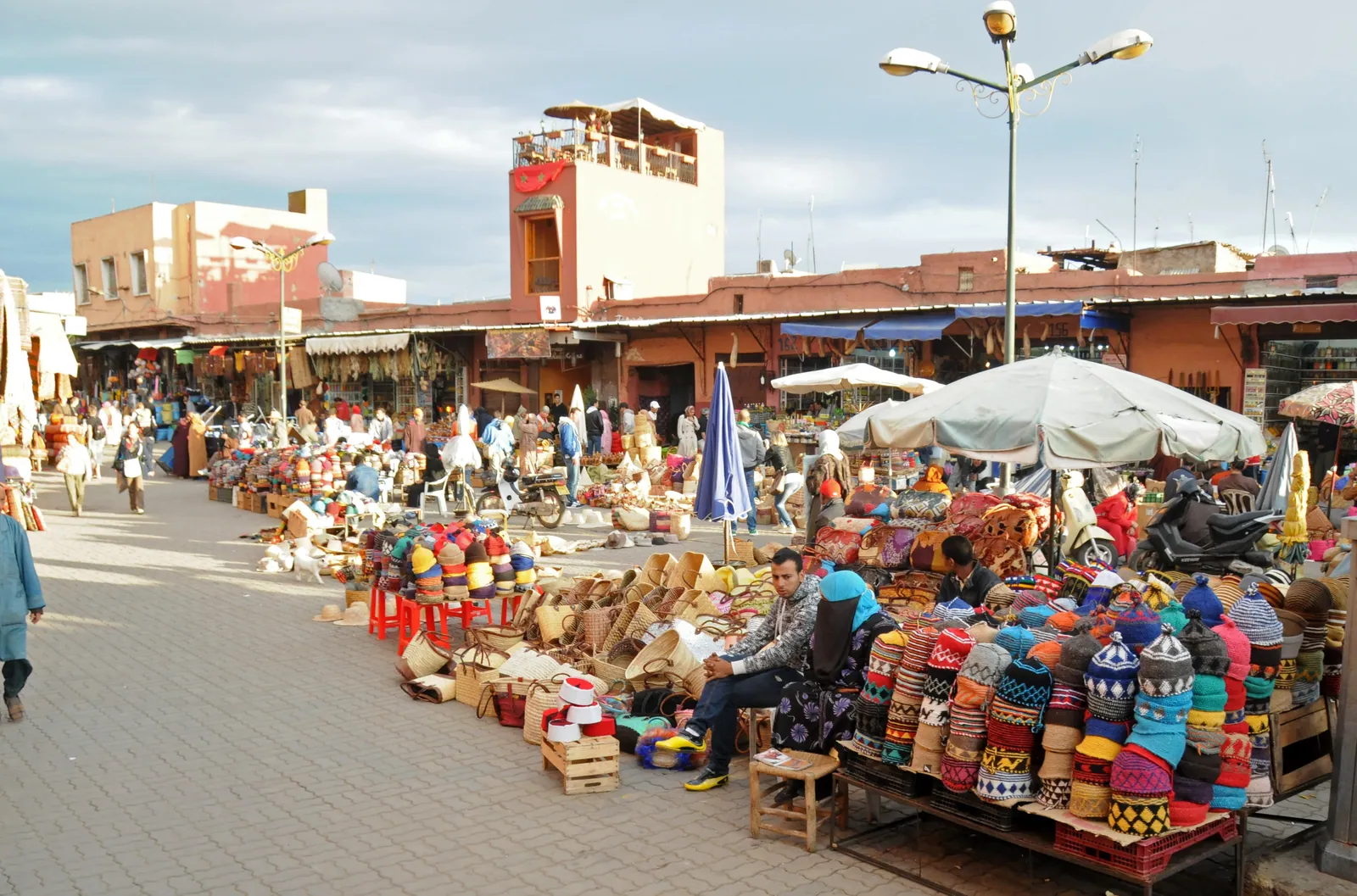
Spend time in the bazaars — Samarkand's Siab Bazaar is a fine example — where the melons, dried apricots, spices and rounds of stamped bread are piled in abundance and the cooking begins. The journeys along the old Silk Road are designed to bring travellers to these tables: a market morning, a long plov lunch, the slow ceremony of tea. It is hospitality that has been practised on this ground for a very long time.
Quick answers
What is the difference between plov, pilaf and pulao?
They are members of the same family of rice dishes, cooked across a huge region from the Mediterranean to South Asia, in which rice is cooked in a seasoned, often meaty liquid. Plov, also called osh, is the Central Asian form, characterised by lamb or beef, a great deal of carrot, cumin, and cooking in a cast-iron kazan cauldron. Local names and methods vary, but the underlying idea is shared.
When is the best time of day to eat plov?
Lunch. Plov is cooked in large batches in the morning, and dedicated plov houses, sometimes called plov centres, often sell out by early afternoon. Eating it at midday means it is freshest. In some cities there is also a tradition of an early-morning plov gathering, but for most travellers a proper lunch is the moment to seek it out.
Is there much for vegetarians in Central Asian cuisine?
It is a meat-centred cuisine, so vegetarians should plan a little. Bread, fresh tomato-and-onion salads, fruit and some noodle and dumpling dishes can be enjoyed, but plov, shurpa, manti and shashlik are built around lamb or beef, and the broth that flavours rice and soups is meat-based. It is worth confirming ingredients when you order and welcoming the abundant fruit and bread.

Let the reading become a route.
When an article sparks something, our planners are the next step. Tell us what you are dreaming of.