The Silk Road Reborn — a grand journey from Istanbul, Turkey to Xi'an, China
Grand Journey 04

The Silk Road Reborn

Seventy days overland from Istanbul to Xi’an, retracing the Silk Road end to end — across Anatolia, the Caucasus, the desert oases of Uzbekistan and the high passes of the Tian Shan.

41°00′N 28°59′E → 34°20′N 108°56′E

70Days, escorted
7Countries
8Chapters
11.0kKilometres
The route

The Silk Road was never a single road. It was a loose braid of caravan tracks, mountain passes and river crossings along which silk, paper, faith and disease all travelled west, and glass, horses and ideas travelled east. The Silk Road Reborn follows that braid the way the merchants did — from one end to the other, in the order the cities come.

Seventy days carry you overland from Istanbul, where Europe meets Asia across a single strait, to Xi’an, the Tang-dynasty capital that the caravans treated as journey’s end. You travel as the route demands: by rail across Anatolia, by road over the Caucasus and the Tian Shan, by sleeper train through the Uzbek desert between Khiva, Bukhara and Samarkand. There are no internal flights until the final hop into China.

What makes this journey singular is its completeness. Many trips sample the Silk Road; few trace it as a continuous line. By the time you reach the Terracotta Army, you will have crossed seven countries, three mountain systems and two deserts under your own slow momentum — and understood, in your legs, why a bolt of silk was worth its weight in gold.

IstanbulCappadociaCaucasusKhivaBukharaSamarkandTian ShanXi'an

Istanbul, Turkey  →  Xi'an, China

Chapter by chapter

The journey, told the way it is travelled.

Scroll east through every leg of the route — drag, swipe or use the arrows. Each chapter is a place, a story, and where you sleep.

Istanbul & the Bosphorus — Istanbul, TurkeyDays 1–7
Istanbul, Turkey · 41°00′N 28°59′E

Istanbul & the Bosphorus

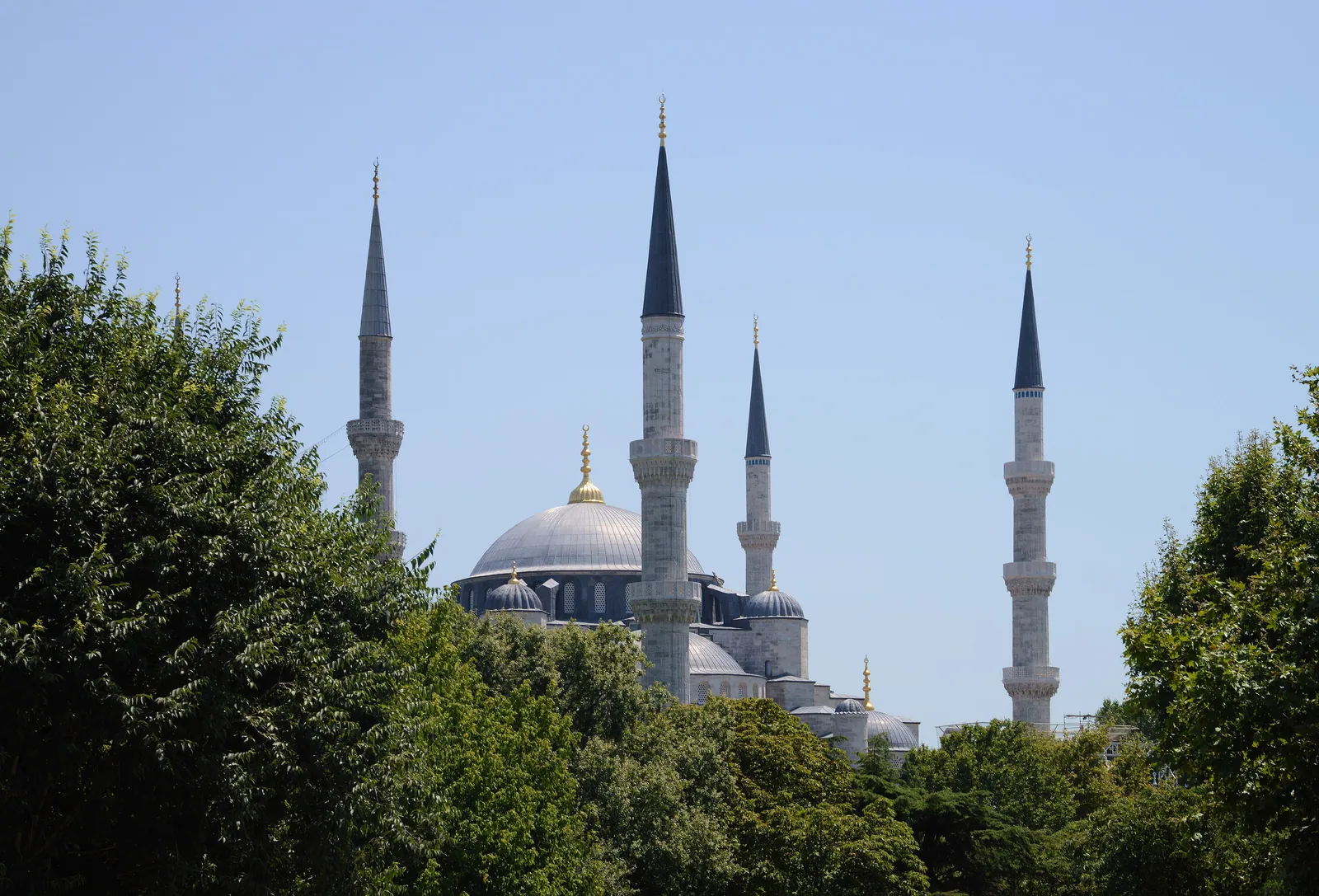
The journey begins where the caravans ended their westward run — the great market city astride the Bosphorus, the only place on Earth where you can step from one continent to another across a single strait. You settle into the rhythm of the bazaars, the Hagia Sophia and the Topkapı before turning your back on Europe for good. From here, every mile is eastward.

CountryTurkey
StraitThe Bosphorus
MarketGrand Bazaar
Cappadocia — Cappadocia, TurkeyDays 8–15
Cappadocia, Turkey · 38°39′N 34°51′E

Cappadocia

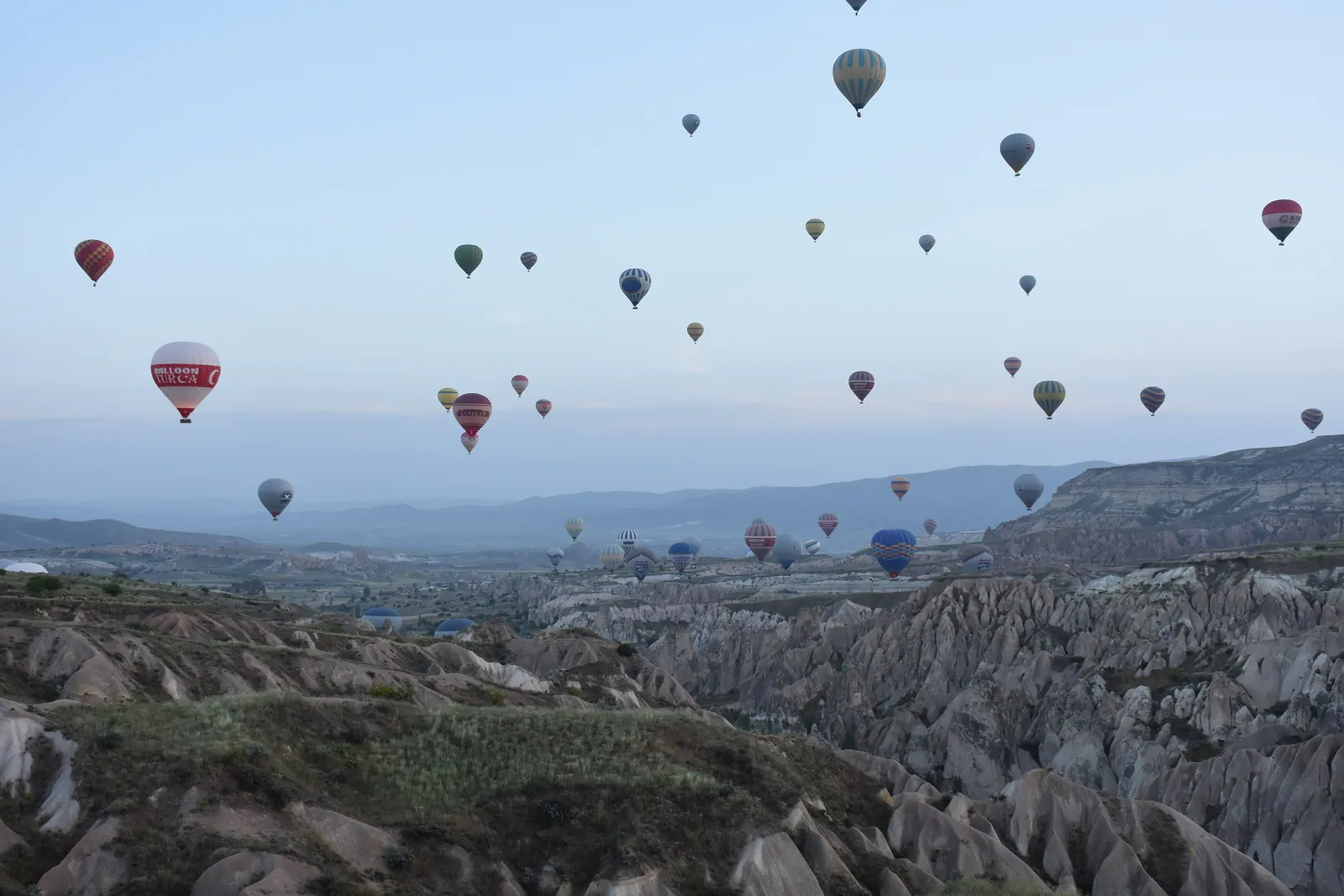
Inland across the Anatolian plateau to the soft volcanic country of Cappadocia, where wind and water have carved the tuff into spires, cones and hidden valleys. Early Christians tunnelled whole cities downward here, eight storeys deep, to shelter from passing armies. You rise at dawn for the balloons and walk the rock-cut churches by afternoon light.

CountryTurkey
RockVolcanic tuff
ListedUNESCO 1985
The Caucasus — Kazbegi, GeorgiaDays 16–24
Kazbegi, Georgia · 42°39′N 44°37′E

The Caucasus

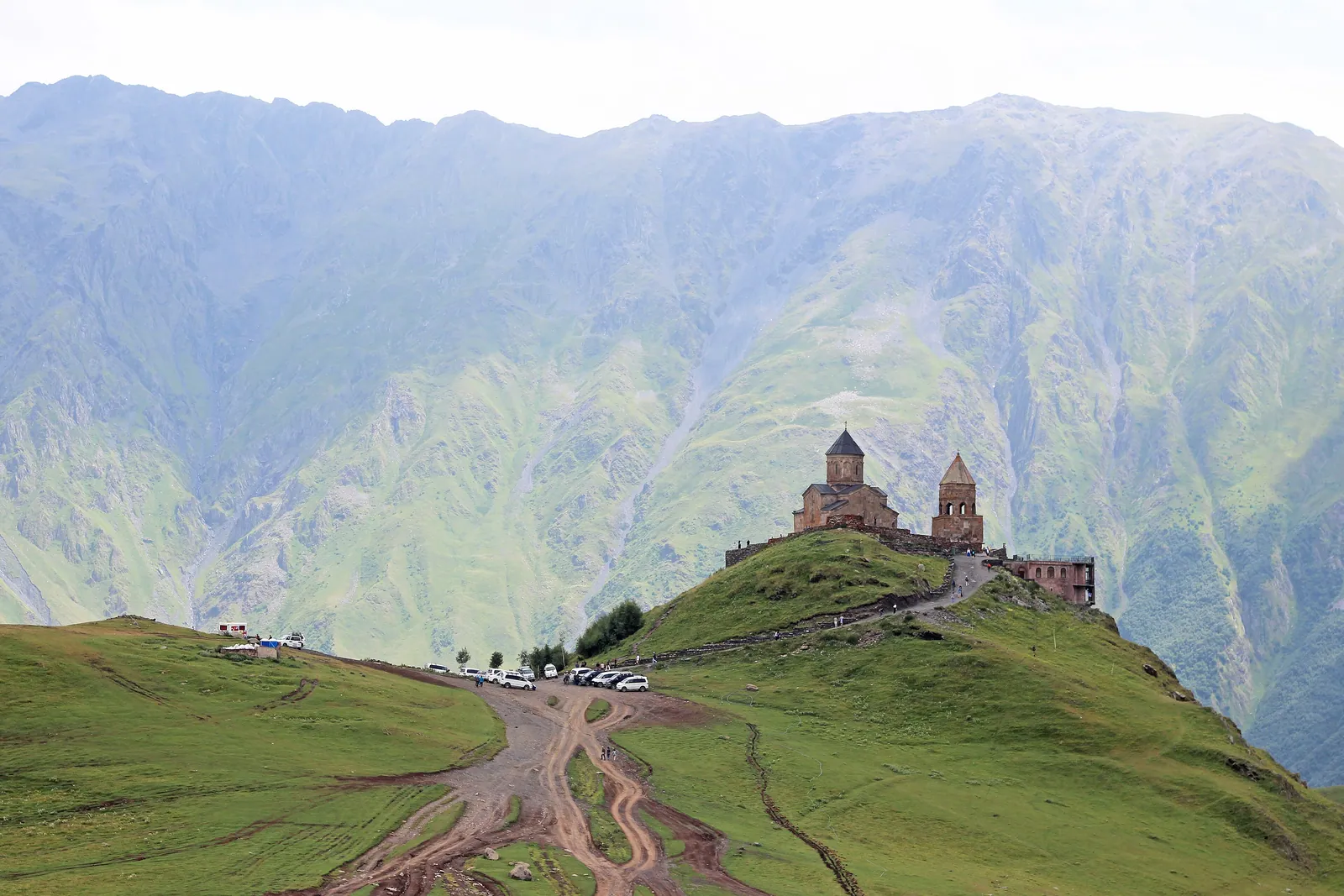
Eastward and steeply upward into Georgia, a green, vertical country of hilltop churches and ancient vineyards. The Georgian Military Road climbs to Kazbegi, where the lone church of Gergeti stands against a 5,000-metre peak. Georgia has been making wine in buried clay qvevri for some eight thousand years, and you taste the proof.

CountryGeorgia
RangeGreater Caucasus
NoteCradle of wine
Khiva — Khiva, UzbekistanDays 25–31
Khiva, Uzbekistan · 41°22′N 60°22′E

Khiva

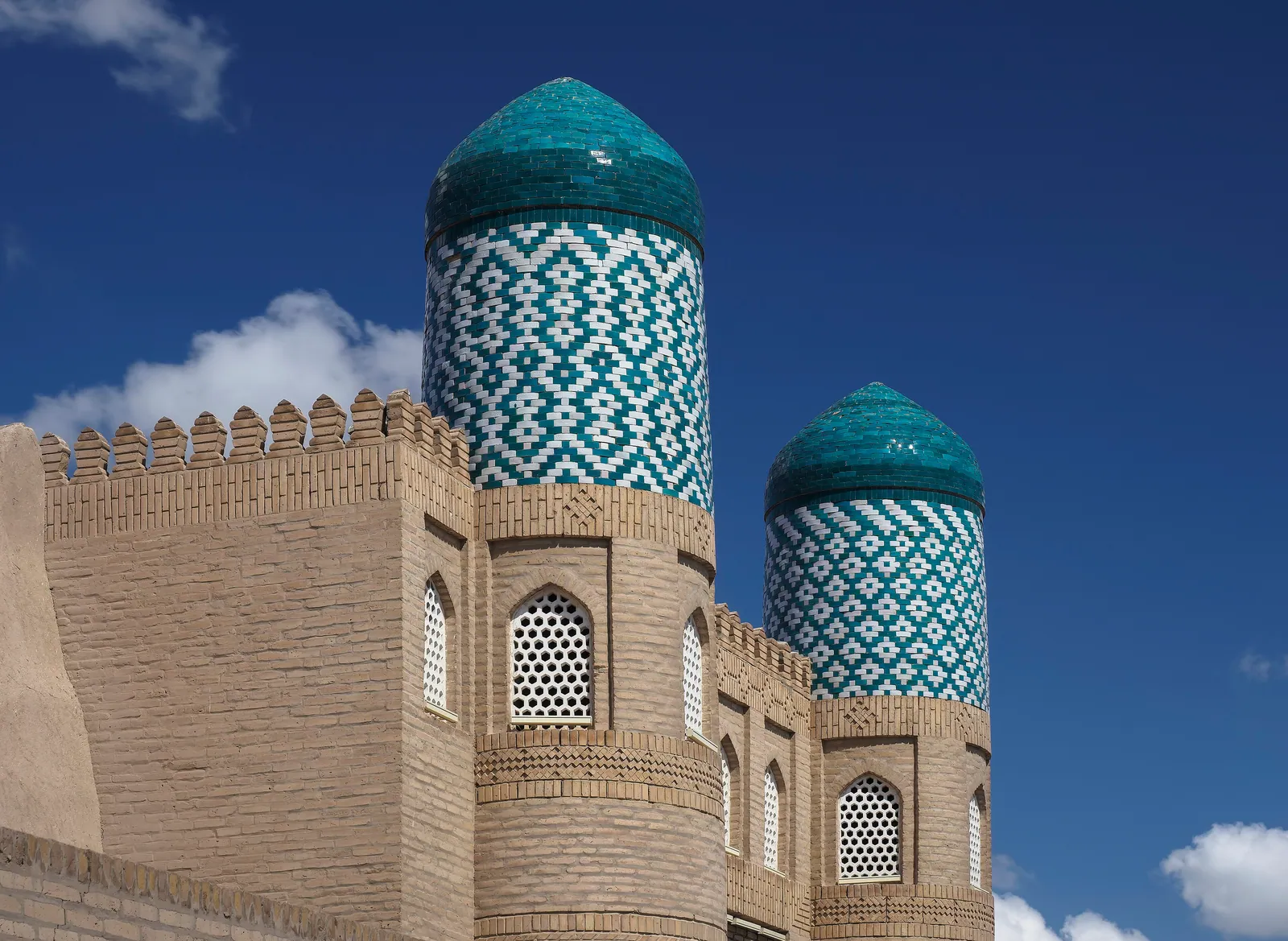
Now the true Silk Road begins. Khiva’s walled inner town, Itchan Kala, is the most complete caravan city left standing — a compact maze of madrasas, minarets and mud-brick walls that once marked the last safe stop before the desert. It was also, less proudly, one of Central Asia’s great slave markets. At dusk the unfinished Kalta Minor minaret glows turquoise.

CountryUzbekistan
Old townItchan Kala
ListedUNESCO 1990
Bukhara — Bukhara, UzbekistanDays 32–39
Bukhara, Uzbekistan · 39°46′N 64°25′E

Bukhara

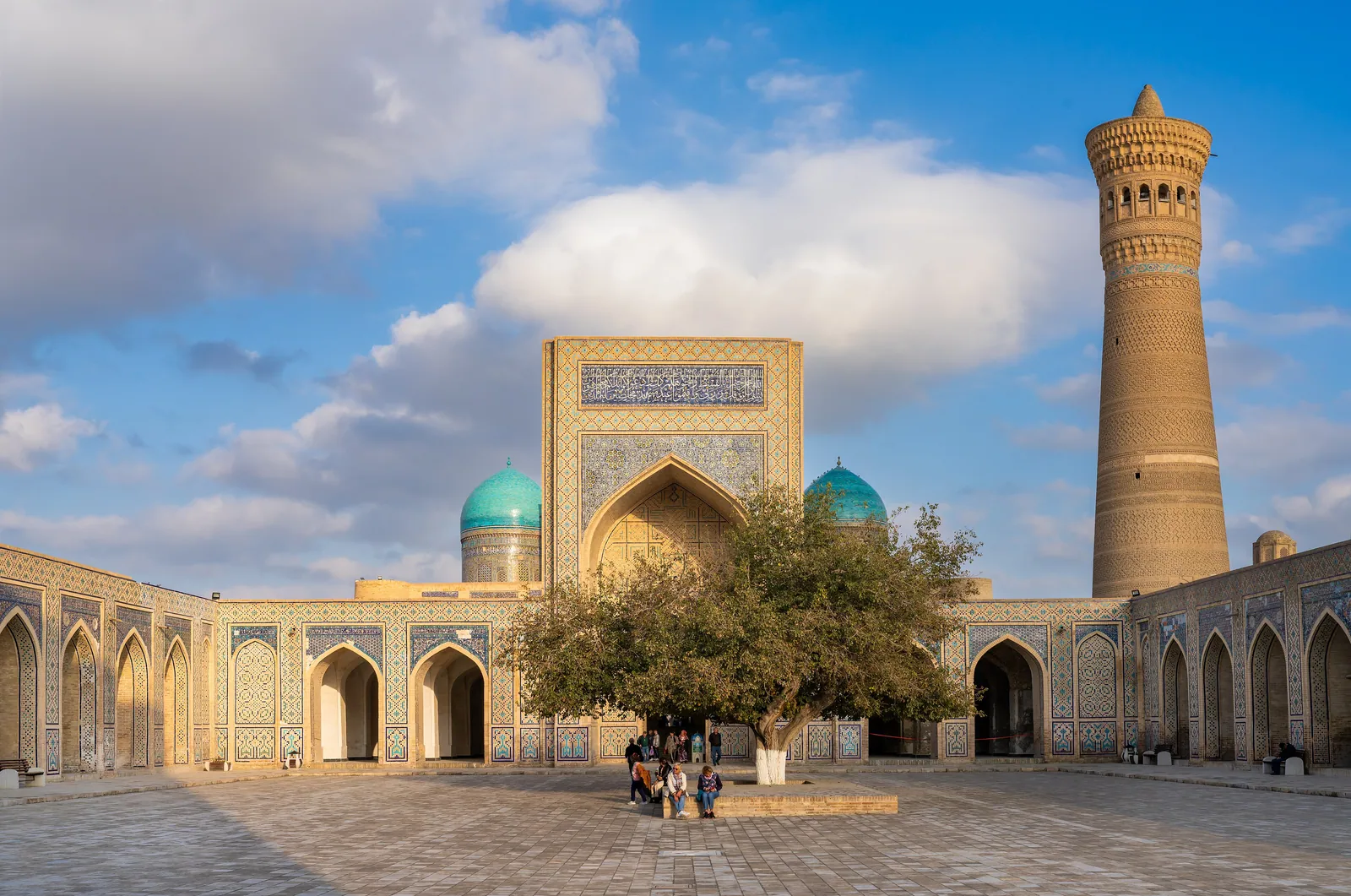
Across the Kyzylkum desert to Bukhara, holy city of Central Asia, where the historic centre has been lived in continuously for more than two thousand years. The Kalyan minaret was so beautiful that Genghis Khan, the story goes, ordered it spared. You wander covered bazaars, trading domes and the tomb of the Samanids, a brickwork jewel of the tenth century.

CountryUzbekistan
TowerKalyan minaret
ListedUNESCO 1993
Samarkand — Samarkand, UzbekistanDays 40–47
Samarkand, Uzbekistan · 39°39′N 66°59′E

Samarkand

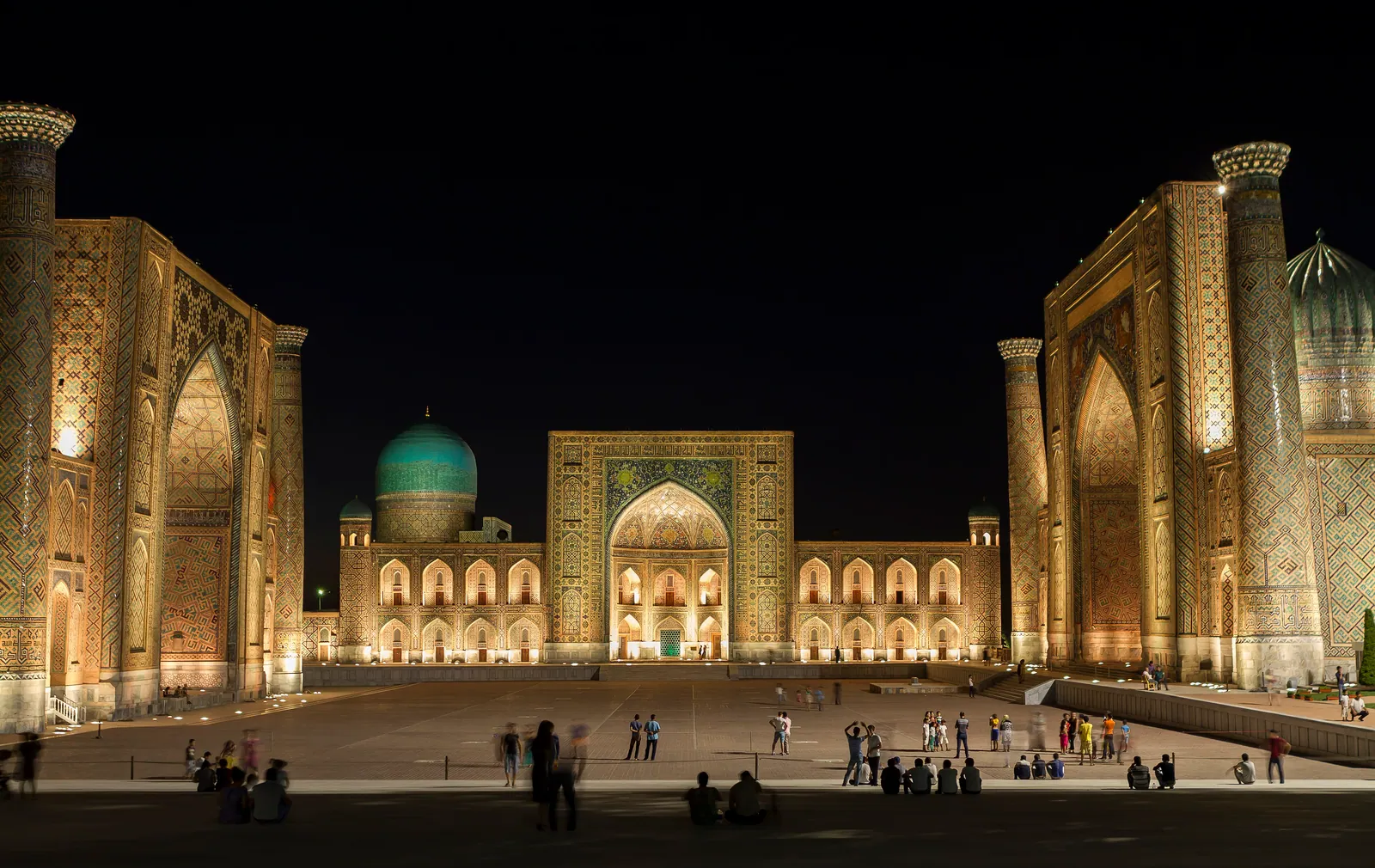
The heart of the journey, and of the Silk Road itself. Samarkand was Tamerlane’s capital, and his architects left the Registan — three madrasas facing one another across a single square, perhaps the most beautiful public space ever built. You linger here, at the Bibi-Khanym mosque and the Shah-i-Zinda avenue of tombs, where the tilework runs the full spectrum of blue.

CountryUzbekistan
SquareThe Registan
EraTimurid
The Tian Shan — Song-Köl, KyrgyzstanDays 48–57
Song-Köl, Kyrgyzstan · 41°50′N 75°08′E

The Tian Shan

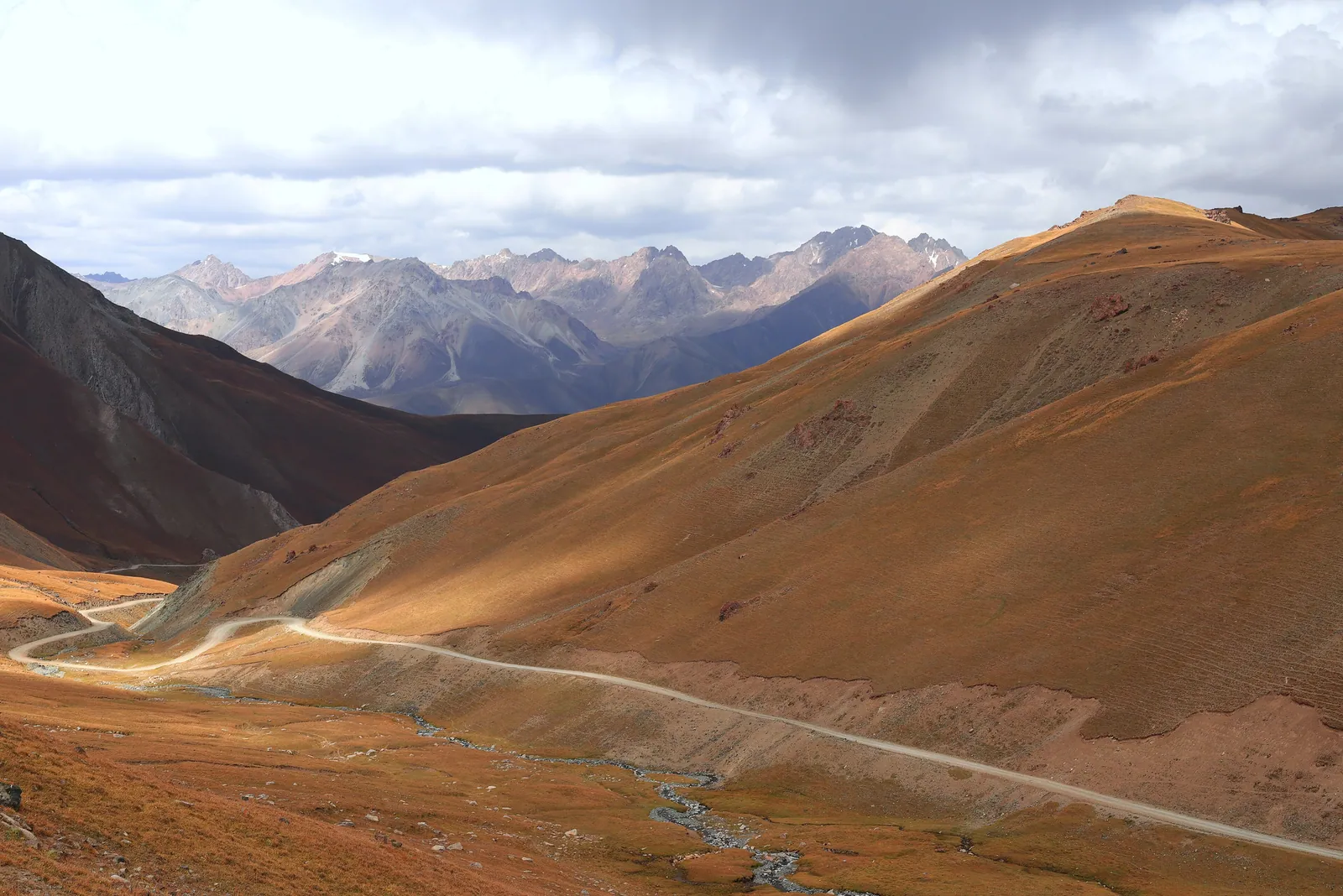
The road leaves the oases and climbs into the Tian Shan, the “mountains of heaven,” where the caravans faced their hardest miles. At Song-Köl, an alpine lake at three thousand metres, Kyrgyz herders still bring their flocks for the short summer and live in yurts on the open jailoo. You stay among them, sharing fermented mare’s milk and the silence of high pasture.

CountryKyrgyzstan
LakeSong-Köl 3,016 m
StayHerders’ yurts
Xi'an — Xi'an, ChinaDays 58–70
Xi'an, China · 34°20′N 108°56′E

Xi'an

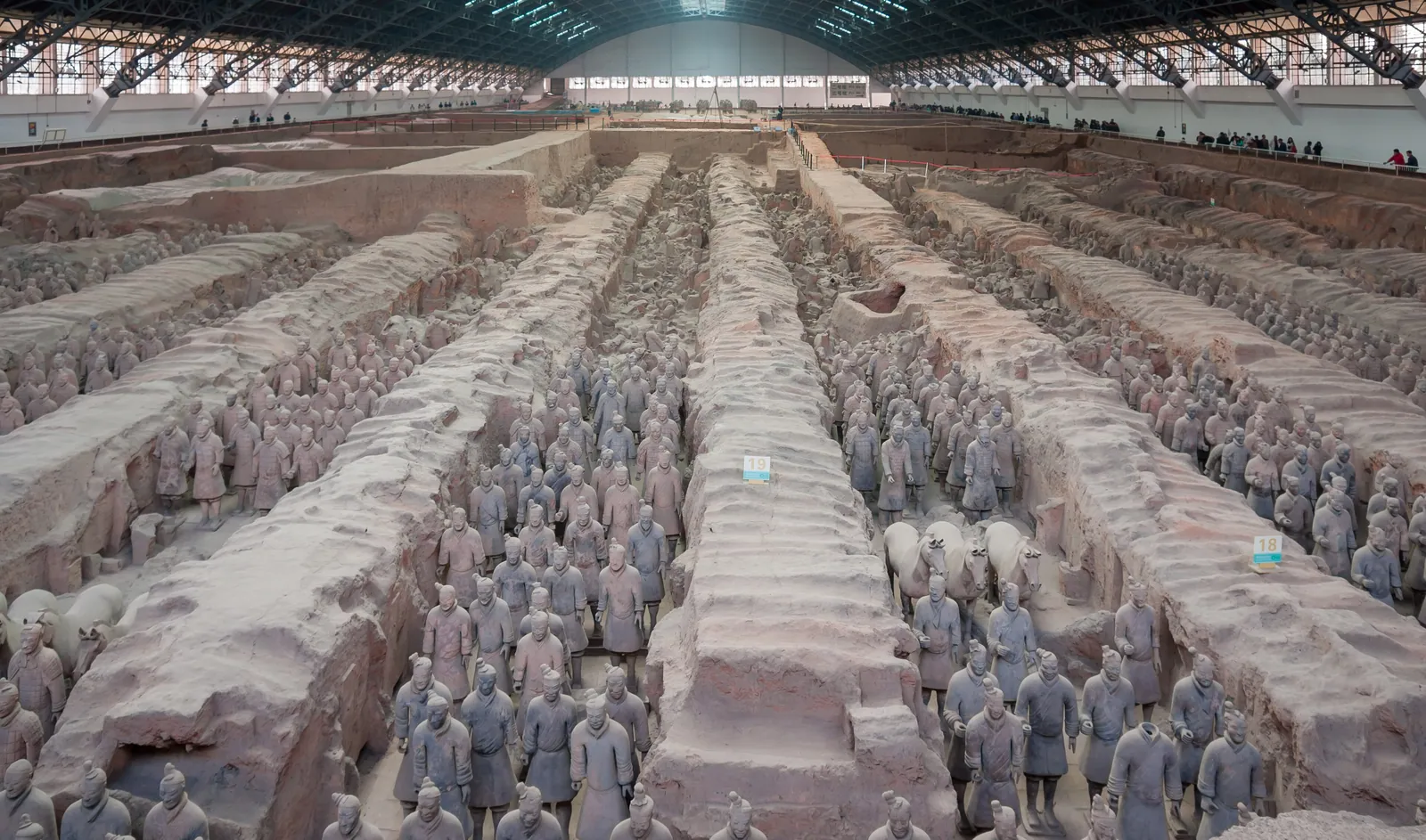
The final stage carries you into China and to Xi’an, the Tang-dynasty capital the merchants regarded as the Silk Road’s eastern terminus. You walk the intact Ming city walls, eat in the Muslim quarter that the caravans themselves founded, and stand before the Terracotta Army — eight thousand soldiers buried for two millennia. Journey’s end, reached overland from the Bosphorus.

CountryChina
DynastyTang capital
ArmyTerracotta Warriors
The practical line

Everything you need to weigh it up.

BeginsIstanbul, Turkey
EndsXi'an, China
Duration70 days — travelled in modules with rest days built in
Best seasonLate spring or early autumn; the route avoids desert heat and mountain snow
FitnessModerate. Daily touring, some long road days, and altitude up to 3,000 m in Kyrgyzstan
Group sizePrivate, or small group of up to 10
IncludedAll hotels and yurt stays, rail and the single flight into China, guides, most meals, visa support
Intensity

Moderate — long days of road and rail, high altitude in Kyrgyzstan, no technical demands

Best season

April to June, and September to October

From

From €46,000 per person

Comprehensive — hotels, internal travel, guiding, permits. International flights quoted separately.

Field Notes

The Silk Road Reborn — your questions

Do I have to travel all 70 days?

No. The Silk Road Reborn is built as five modules of roughly one to two weeks each — Turkey, the Caucasus, the Uzbek oases, the Tian Shan and China. Many travellers join for a single module and return for the rest another year. The full seventy-day journey is the complete arc, but it is not all-or-nothing.

Is it really overland the whole way?

Almost entirely. You travel by rail across Turkey and between the Uzbek cities, and by road over the Caucasus and the Tian Shan, exactly as the caravans moved. The only flight is the final leg from Bishkek into Xi’an, where no through rail line yet exists for travellers. Every border is crossed on the ground.

How are borders and visas handled?

Viajes Globales manages every crossing and prepares your visa paperwork for all seven countries, including the Chinese visa, which needs the most lead time. You receive a single document pack before departure and a local fixer meets you at each frontier. You never navigate an unfamiliar border alone.

How high does the journey go, and is altitude a concern?

The highest nights are in the Kyrgyz Tian Shan, around Song-Köl at just over 3,000 metres — high enough to notice, well below any danger threshold. The schedule climbs gradually and includes rest days, so mild acclimatisation is built in. No technical walking or climbing is involved at any point.

What is the best time of year to start?

Departures run in late spring (April to June) and early autumn (September to October). Both windows cross the Kyzylkum and Kyzylkum-edge deserts in mild weather and reach the Tian Shan while the high pastures are open and the passes are clear of snow. Midsummer is hot in the oases; winter closes the mountains.

Begin a journey

Travel The Silk Road Reborn.

Take the full arc, or a single chapter of it. Either way, the conversation is the first step.